
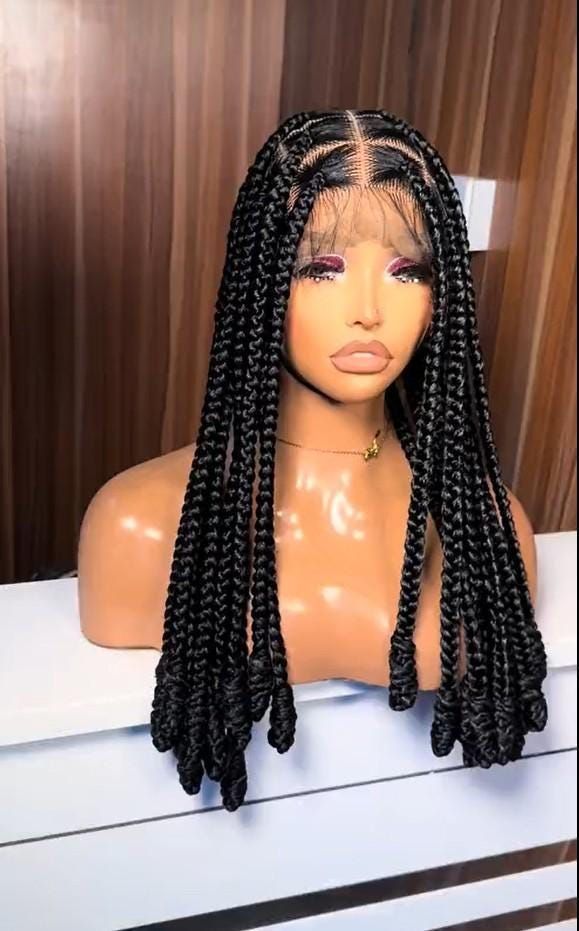
Master the Foundation of Clean Partings and Tension Control
The secret to any trendy braided design begins with precise sectioning and consistent tension. Before you start braiding, use a rat-tail comb to create clean, straight partings. https://www.successhairbraidingmd.com/ Uneven sections lead to messy finishes, regardless of your skill level. Practice maintaining even tension throughout each braid—too loose causes unraveling, too tight leads to scalp discomfort and breakage. For popular designs like knotless braids or feed-in braids, start with a small amount of hair at the root and gradually add more as you move down. This technique reduces scalp stress and creates a natural, flowing look. Always work with detangled, slightly damp hair to increase grip and minimize flyaways.
Incorporate Accessories and Color Accents for Instant Edge
Trendy braiding today is about personalization. Add metallic cuffs, colorful threads, or pearl beads at the roots or ends of your braids to elevate a simple three-strand braid into a statement design. For a modern twist, try ombre extensions or pastel-colored synthetic hair to create a gradient effect. Position accessories strategically—place small cuffs every two inches for a spaced look, or cluster beads at the ends for a boho vibe. When using thread wrapping, select a contrasting color to make the braid pop. These small additions transform basic braids into runway-ready hairstyles without requiring complex braiding patterns.
Experiment with Asymmetrical and Mixed Braid Patterns
Trendy hair design moves away from uniformity. Combine cornrows on one side with loose box braids on the other, or create a half-up style where the top features Dutch braids and the bottom hangs in fishtails. Asymmetry draws attention and works well for both casual and formal settings. Another popular method is the “ladder braid” where you alternate between thick and thin braids within the same row. To execute this, map your design on dry hair first using clips to mark where each braid type changes. Use a lightweight gel to smooth edges before switching patterns. This mixed approach keeps the style visually interesting and allows you to highlight different braiding skills in one look.
Use Edge Control and Setting Products for Long-Lasting Shape
No trendy braid stays fresh without proper finishing. After completing your design, apply a non-flaking edge control along the hairline and smooth with a soft-bristle brush. For the braids themselves, use a mousse or light-hold hairspray to tame frizz and lock in definition. To set the style overnight, wrap your head in a satin scarf or use a hooded dryer on low heat for 10–15 minutes. For curly ends, twist each braid’s tip around a small perm rod and apply heat briefly. These steps prevent unraveling and keep braids looking salon-fresh for days. Reapply edge control on day two by lightly dampening the hairline and smoothing again.
Adapt Trends to Face Shape and Hair Density
A trendy braid design must complement the wearer’s features. For round faces, opt for high ponytail braids or vertical cornrows that create length. For oval faces, almost any design works, including crown braids or side-swept fishtails. Fine hair benefits from pancaking (gently pulling braid sides to widen them) to add volume, while thick hair can handle intricate patterns like Ghana braids or stitch braids. Always assess hair density before starting—low-density hair may need added extensions for fullness, while high-density hair requires thinner sections to avoid heaviness. Customizing trends to the individual ensures the final design looks intentional and flattering, not forced or uncomfortable.